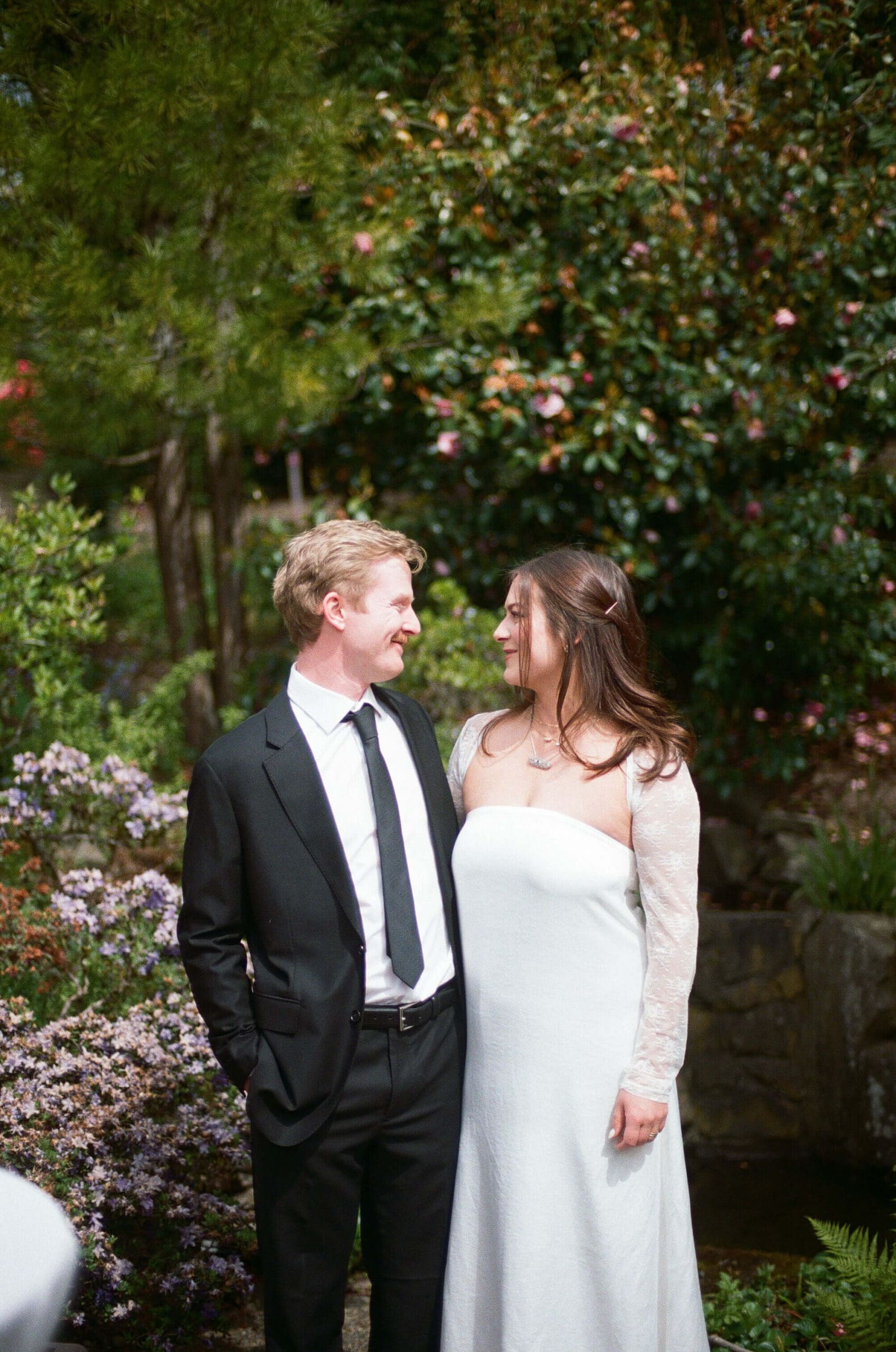
Film Wedding Photography: What It Is and Why Experience Matters
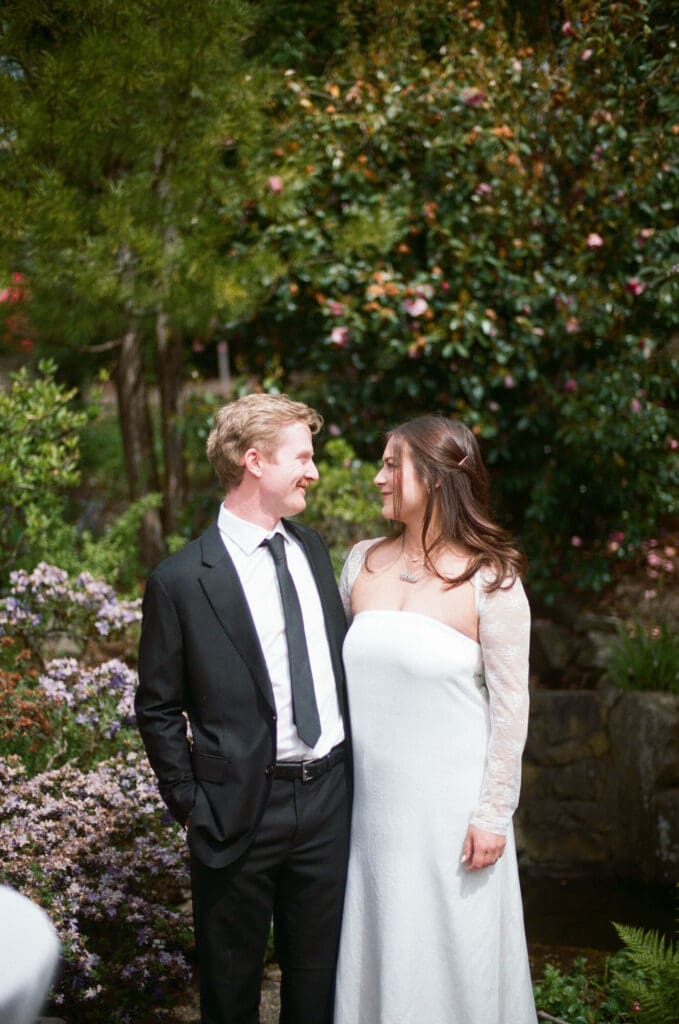
Film Wedding Photography in Snohomish: What It Is and Why Experience Matters
Film wedding photography isn’t about nostalgia or trend-driven aesthetics. It’s a craft rooted in intention, technical understanding, and trust. For couples drawn to film, the appeal often lies in its softness, depth, and timeless quality. But behind those qualities is a medium that demands experience — especially on a wedding day, where moments happen once and can’t be recreated.
As a Snohomish-based wedding and elopement photographer working with film, I believe it’s important for couples to understand what film wedding photography truly is, why it matters, and how experience plays a critical role in preserving moments that can’t be redone.
What Film Wedding Photography Really Is
Film photography operates very differently from digital photography. There’s no instant preview, no ability to adjust white balance afterward, and no option to fix exposure mistakes in post-processing. Every decision is made before the shutter is pressed.
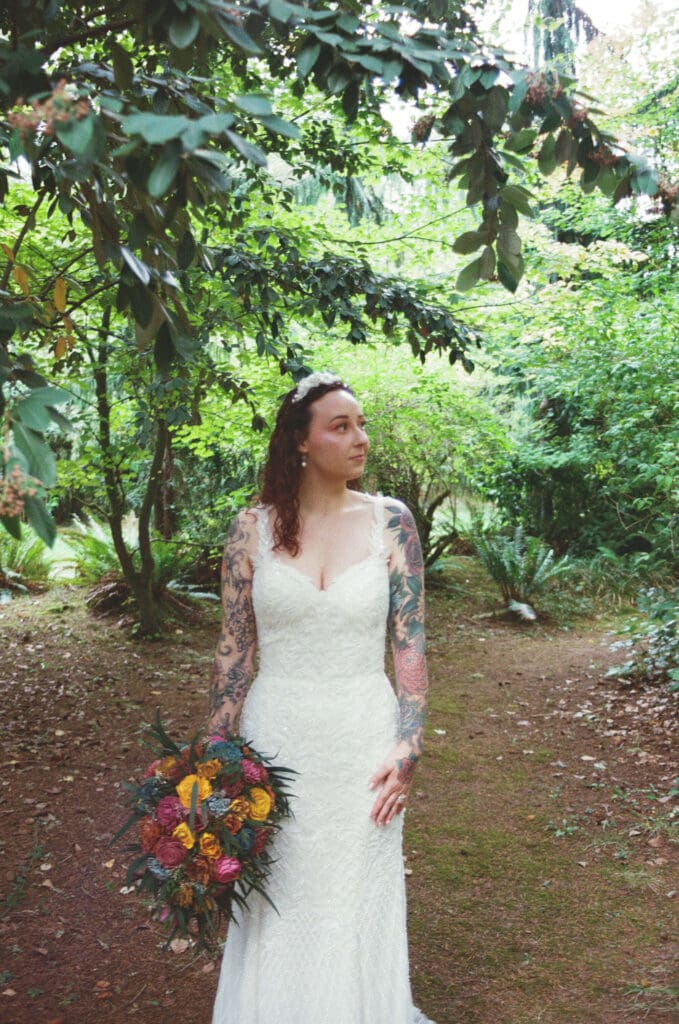
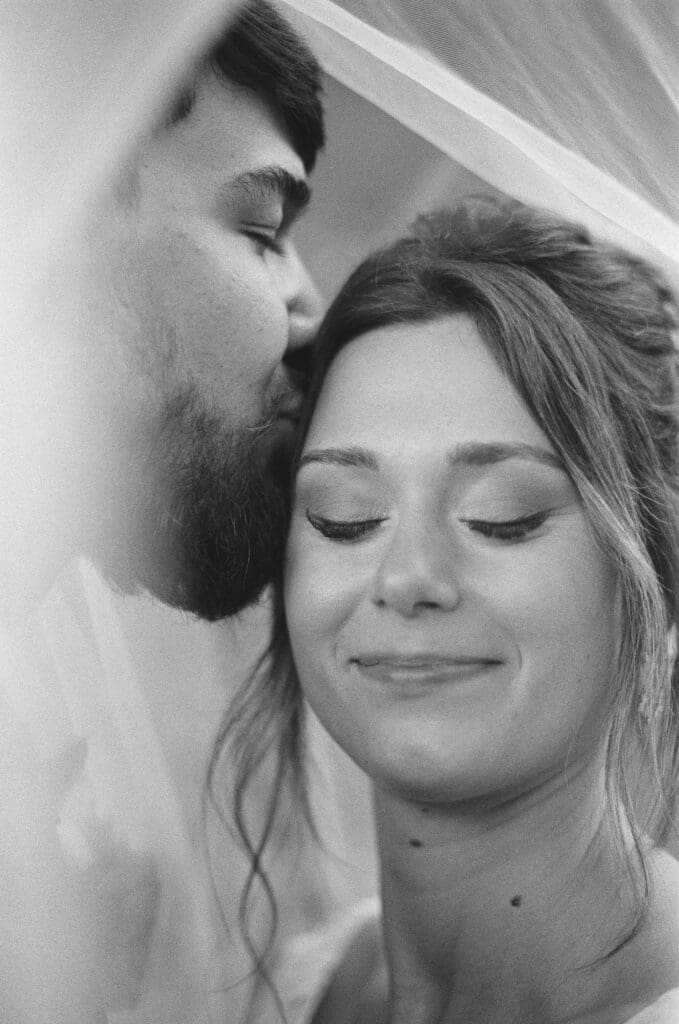
Film renders light and color in a way that feels organic and honest. Highlights fade gently instead of clipping harshly, and skin tones appear soft and natural. These qualities are what make film so compelling — but they also require a photographer who understands how to work with the medium, not against it.
Why Film Wedding Photography Is So Popular Right Now
Film photography matters because it exists in the physical world. Unlike digital images, which are created as binary data — strings of 0s and 1s stored on a memory card or in the cloud — film captures light as a tangible imprint. Light physically interacts with the film emulsion, creating a negative that exists independently of software, screens, or file formats.
That physical process is part of why film images feel different. They aren’t interpreted by algorithms in real time or heavily shaped by post-processing. Each frame becomes a one-of-a-kind artifact created by the same light that existed on your wedding day.
Photographer Keith Carter once said, “The raw materials of photography are light, and time and memory.” Film embodies that idea in a literal way. Light touches the film. Time determines the exposure. Memory is preserved in a physical negative — something that can be held, archived, and revisited decades later.
In a world where most images live fleetingly on phones and social feeds, couples are craving something lasting. Film offers permanence in an increasingly disposable digital culture. Its resurgence isn’t about going backward — it’s about slowing down and choosing intention in a fast-moving world.
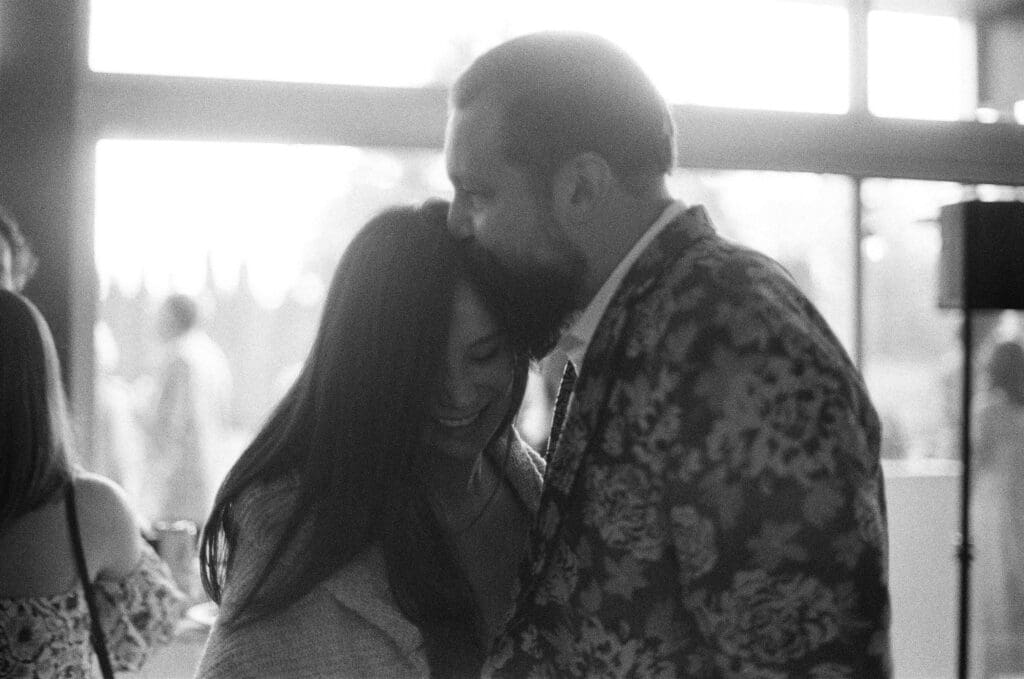
Film Photography vs. Digital: Why Film Feels More Timeless
Digital photography is an essential tool, especially on a wedding day. It allows for instant feedback, redundancy, and flexibility in unpredictable conditions. But at its core, a digital photograph exists as data. If a file is corrupted, deleted, or lost, the image disappears with it.
Film creates a physical negative — something that can be archived, preserved, and rescanned decades later. Even as technology changes, that negative remains. This permanence is part of what makes film so meaningful for weddings. Your wedding day is a tangible, once-in-a-lifetime experience, and film mirrors that reality by creating something physical in return.
Why Experience Matters in Film Wedding Photography
Film photography is not something you can simply try on a wedding day. Unlike modern digital systems, film does not come with built-in safety nets. There are no dual SD cards recording backups. There’s no instant playback to confirm exposure. There’s no opportunity to correct a missed moment once it has passed.
A single roll of film typically contains 36 exposures. Each frame must be metered and exposed intentionally in real, changing conditions. If a frame is underexposed, overexposed, or mistimed, that moment is gone forever.
This is what makes film so powerful — and why it demands respect. The safety in film photography comes not from the medium itself, but from the photographer’s experience, preparation, and ability to read light instinctively.
Owning a Film Camera vs. Being Trained in Film Photography
As film has grown in popularity, more photographers have begun incorporating film cameras into their work. While enthusiasm for film is exciting, it’s important to understand that owning a film camera is very different from being trained in film photography.
A photographer who is well-versed in film understands how different film stocks respond to varying light, how to meter accurately without relying on automation, and how to anticipate moments worth committing a frame to. This level of understanding comes from years of practice, learning, and refining technique — not from casually adding film into a workflow.
On a wedding day, there is no room for guesswork.
What Experienced Film Photography Looks Like on a Wedding Day
An experienced film wedding photographer moves through the wedding day with calm confidence and intention. They don’t interrupt meaningful moments to double-check settings or slow things down unnecessarily. Instead, they anticipate light, read environments instinctively, and choose frames thoughtfully — knowing exactly when film will enhance a moment and when it won’t.
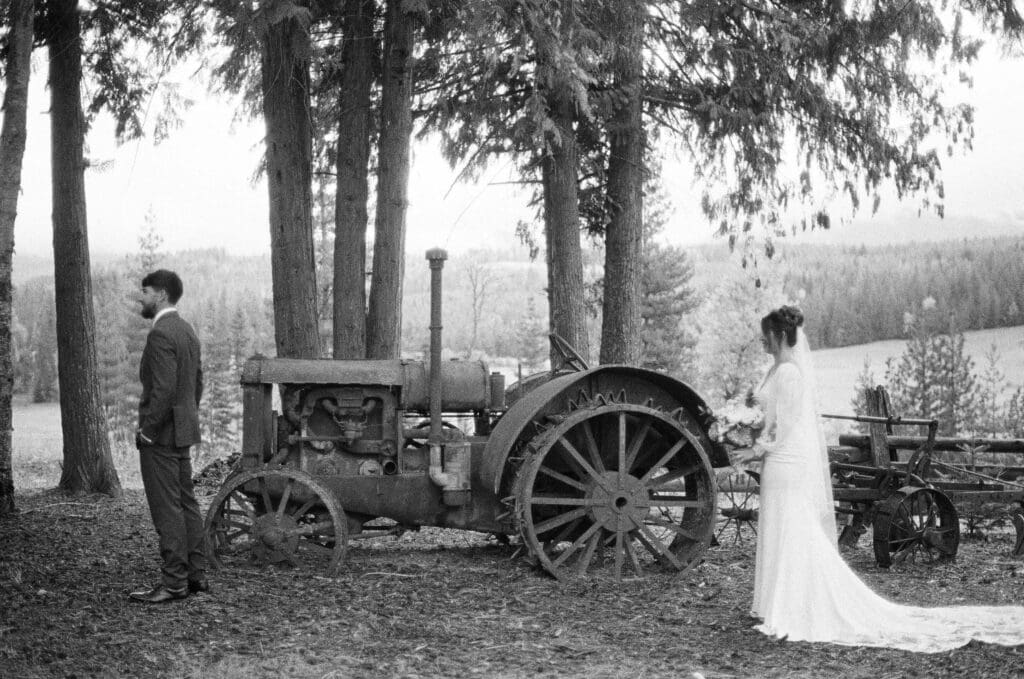
Film is used with purpose, not as an accessory or trend. When paired intentionally with digital photography, it creates a cohesive gallery that feels consistent in tone, emotion, and story. The result is imagery that feels timeless rather than trendy — photographs that age beautifully and hold their meaning over time.
This approach is central to how I photograph weddings and elopements. My work blends film and digital with intention, shaped by experience and a deep respect for the medium. Every roll of film is chosen deliberately, every frame exposed with care, and every moment approached with the responsibility that film demands.
You can learn more about my approach and background here.
Why Film Wedding Photography Is Worth the Investment
Film photography requires more preparation, more cost, and more patience. Film must be purchased, carefully exposed, professionally developed, and scanned. Delivery timelines are longer, but the result is something lasting.
Couples choose film because it preserves emotion in a quiet, honest way. These images don’t rely on trends or heavy editing. Years from now, they still feel true to the day as it unfolded.
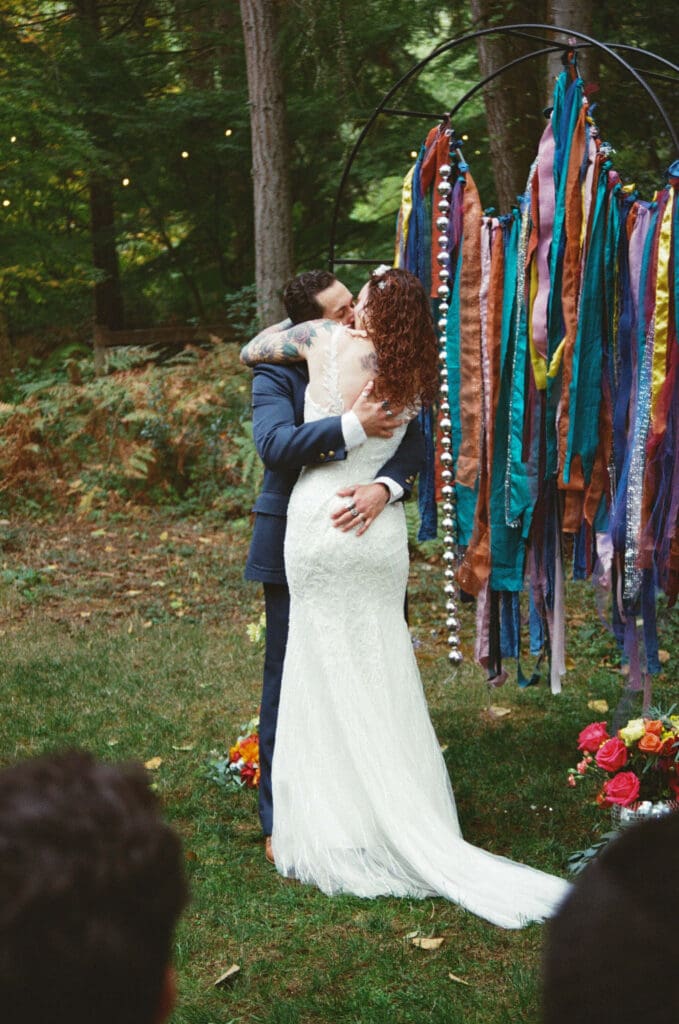
Choosing a Film Wedding Photographer in Snohomish You Can Trust
Your wedding or elopement is made up of moments that happen once. Vows, quiet glances, shared laughter — these aren’t moments that can be recreated if something goes wrong. Choosing a photographer who truly understands film photography isn’t about style alone. It’s about trust.
Working with a Snohomish-based film wedding photographer who is experienced in both weddings and elopements means knowing your day is being documented with care, intention, and deep respect for the medium.
Inquire About Film Wedding Photography in Snohomish
If film photography speaks to you — its softness, depth, and timeless quality — I’d love to connect. I’ve spent years photographing weddings and elopements on film alongside digital, learning how to balance both mediums with intention and care.
If you’re planning a wedding or elopement in Snohomish, Washington, or anywhere across the West Coast and are looking for a photographer who truly understands film, you’re invited to reach out.

Be the first to comment